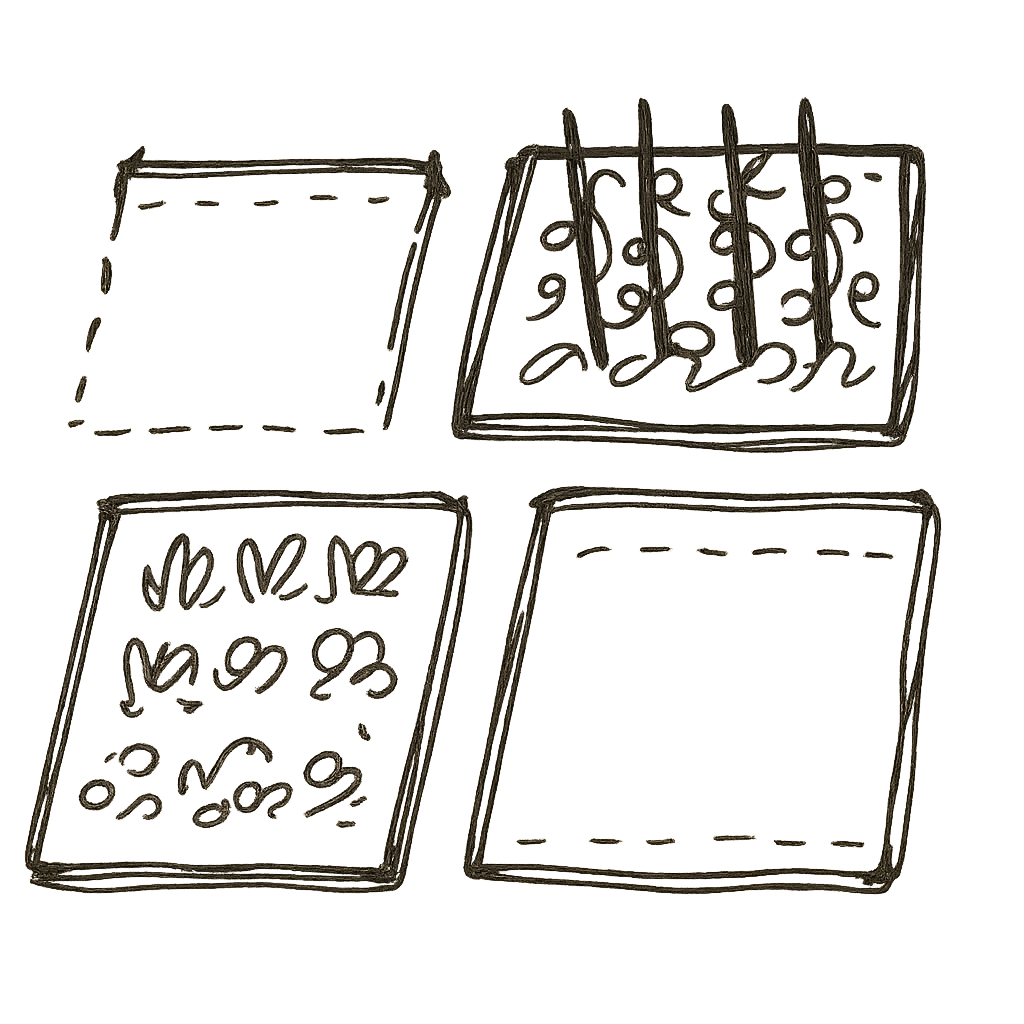
Fewer beds, same sales
Less walking, less weeding, fewer problems to chase. The farm gets quieter.
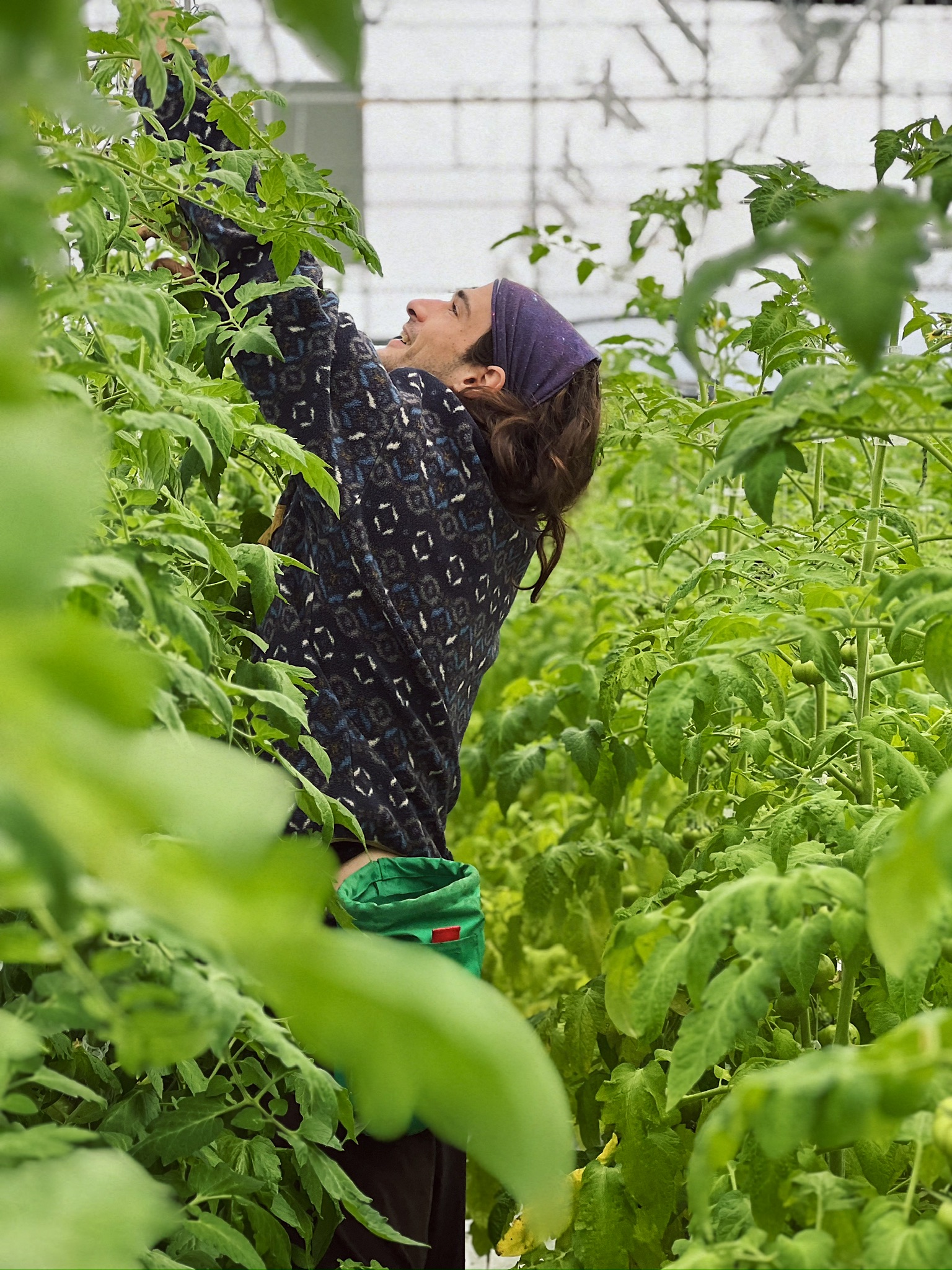
“Farming is beautiful,
but life's richer with energy left for the people in it.”
Harvest more from fewer beds.
Earn more in fewer hours.
Let your greenhouse do the heavy lifting.
A program by
The story that inspired the program
How Drew and Allison changed their farm to carry the load
Ghost House Farm
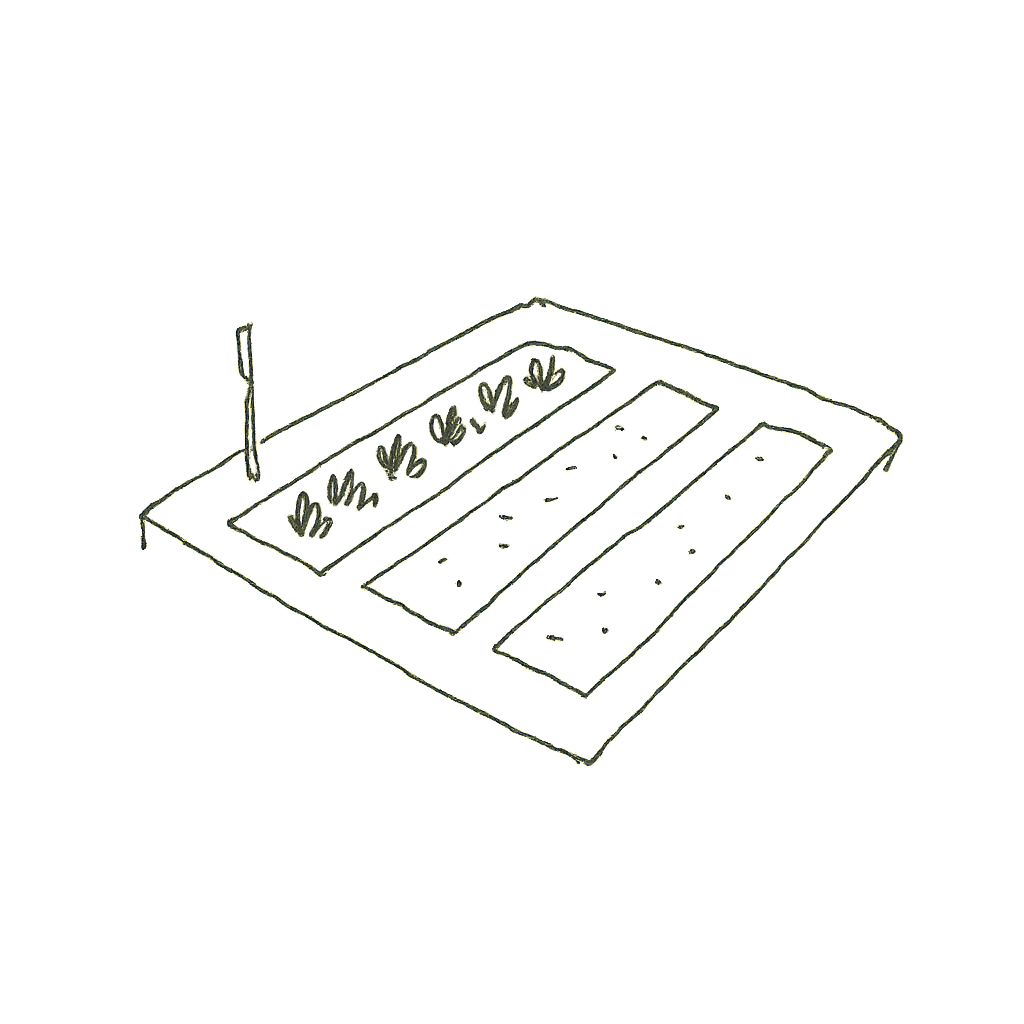
½ acre
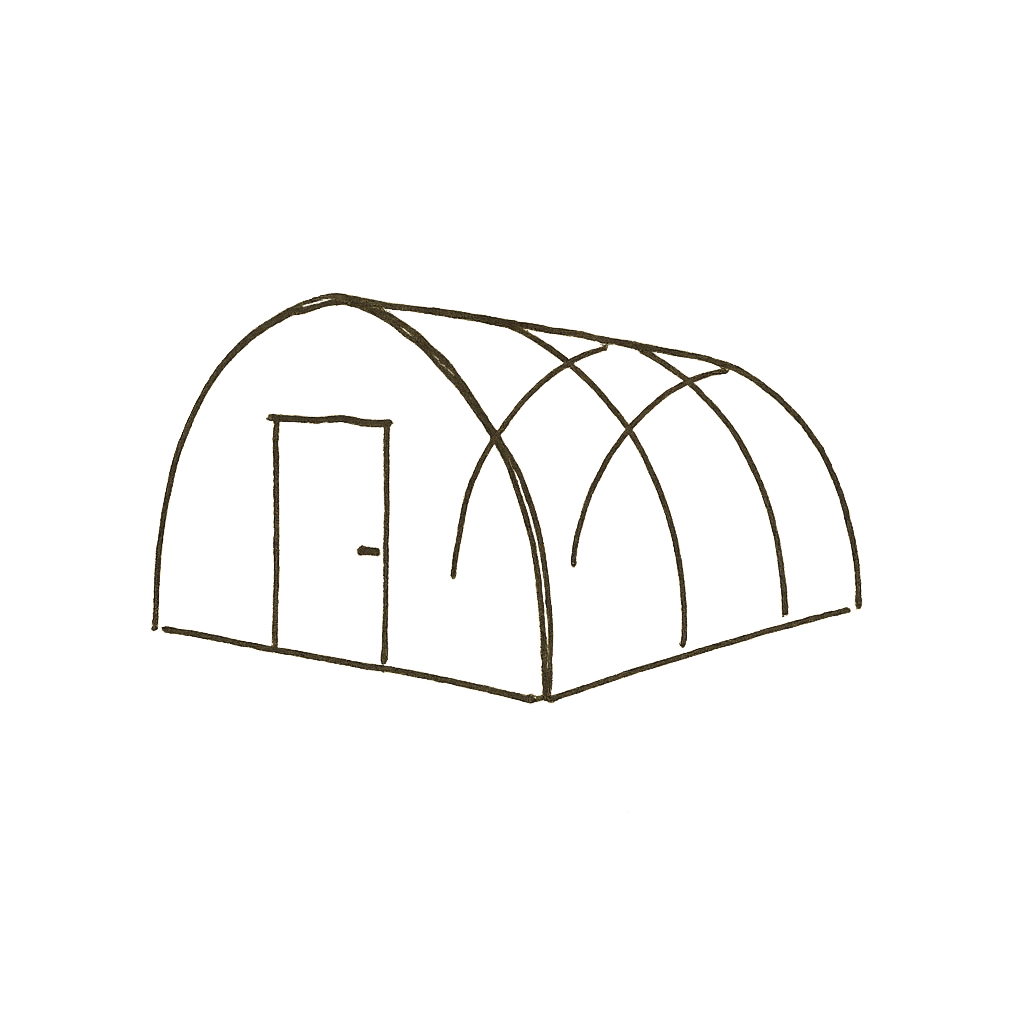
30 × 80 ft greenhouse

30+ vegetables
2023
Drew runs Ghost House Farm full-time. Allison works off the farm to make ends meet. They are one of the better tomato producers in the area. The greenhouse contributes $10,000 that year.
"Our first spring in the hoop house was awful. It was miserable."
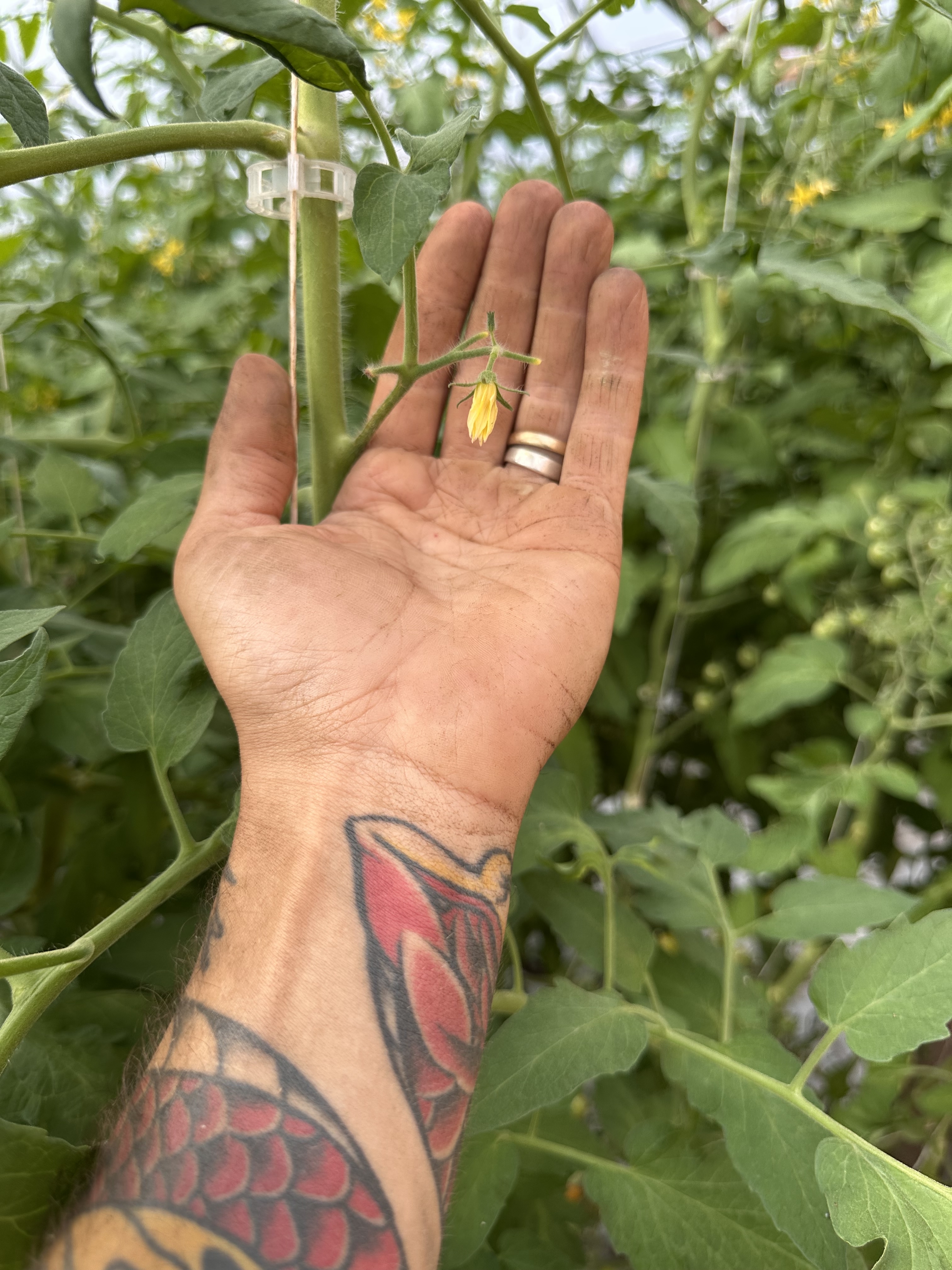
2024
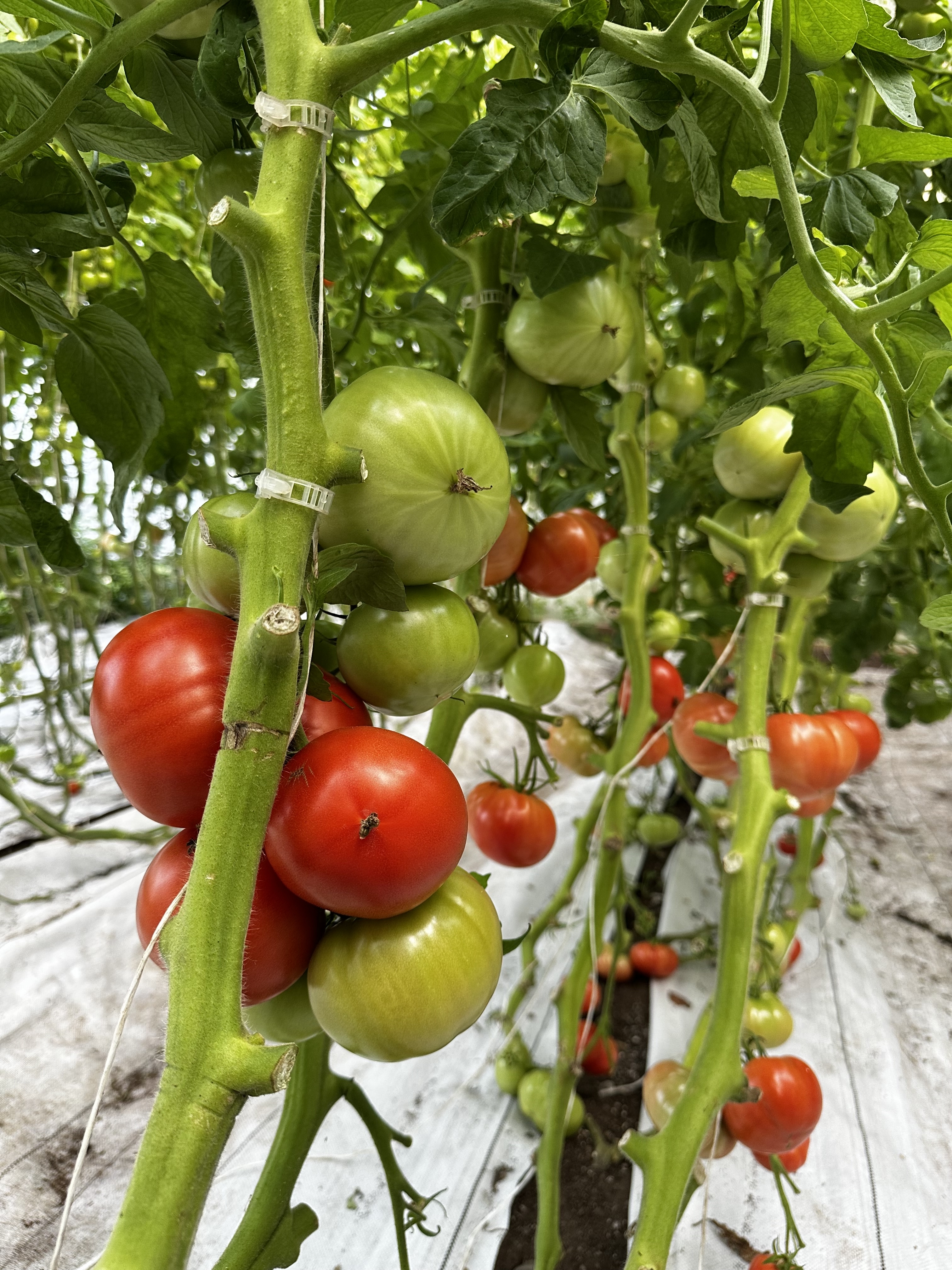
Drew and Allison stabilize the greenhouse climate and dehumidify to keep the diseases that ruined 2023 at bay. They focus on improving their tomato techniques: variety selection, multiple leaders, pruning, water timing. In August, Drew shares on Instagram:
"As of today, we have DOUBLED tomato production compared to last year."
They overshoot market projections and make a profit for the first time. The greenhouse contributes $25,000.
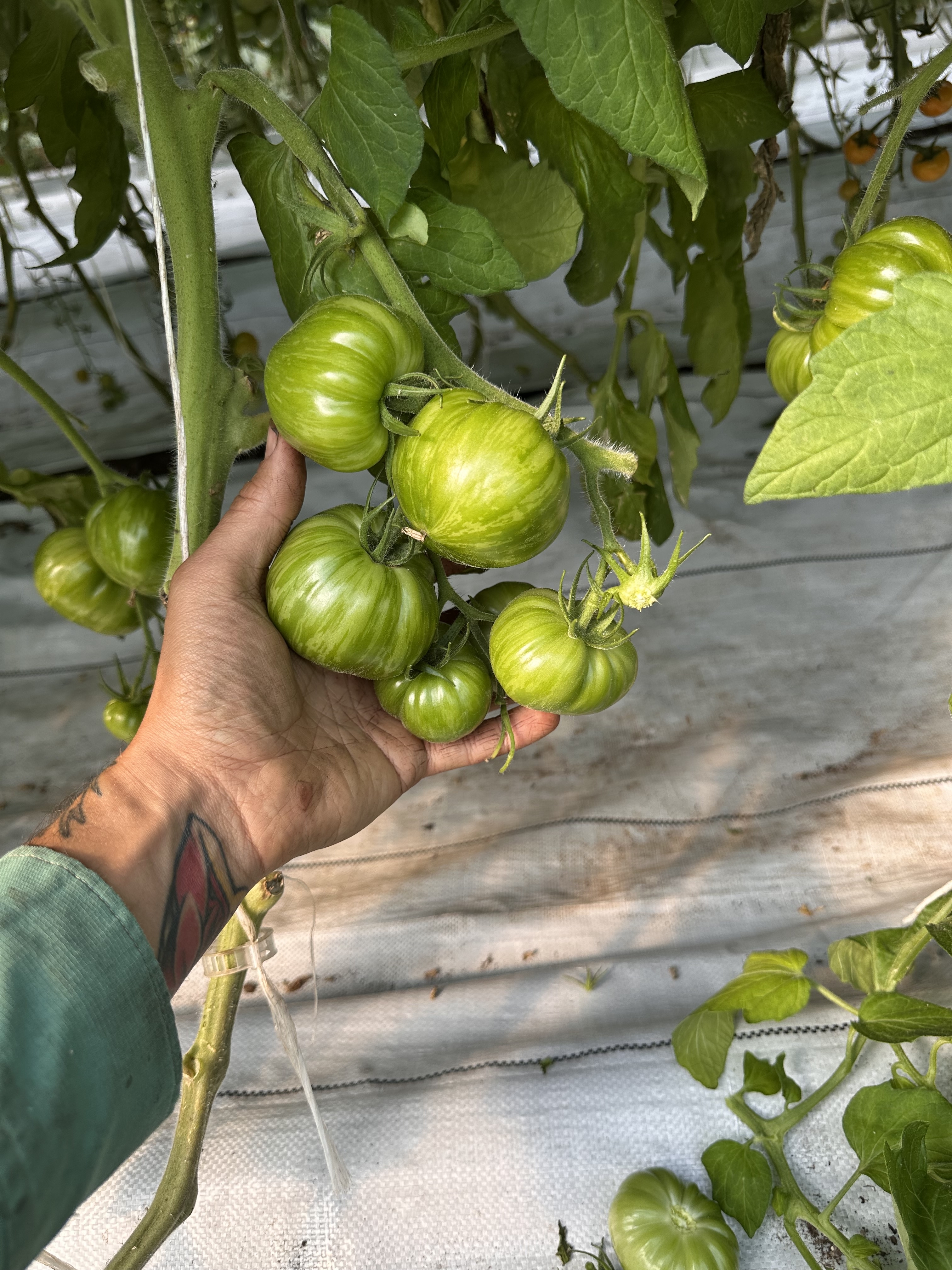
2025
Allison joins Drew full-time on the farm. Drew starts consulting with Antoine to steer tomatoes and lift fruit set. In early July, they write Antoine:
"We've harvested more cherry tomatoes than all of 2023, before we'd even started picking that year."
Greenhouse contribution: $43,000.
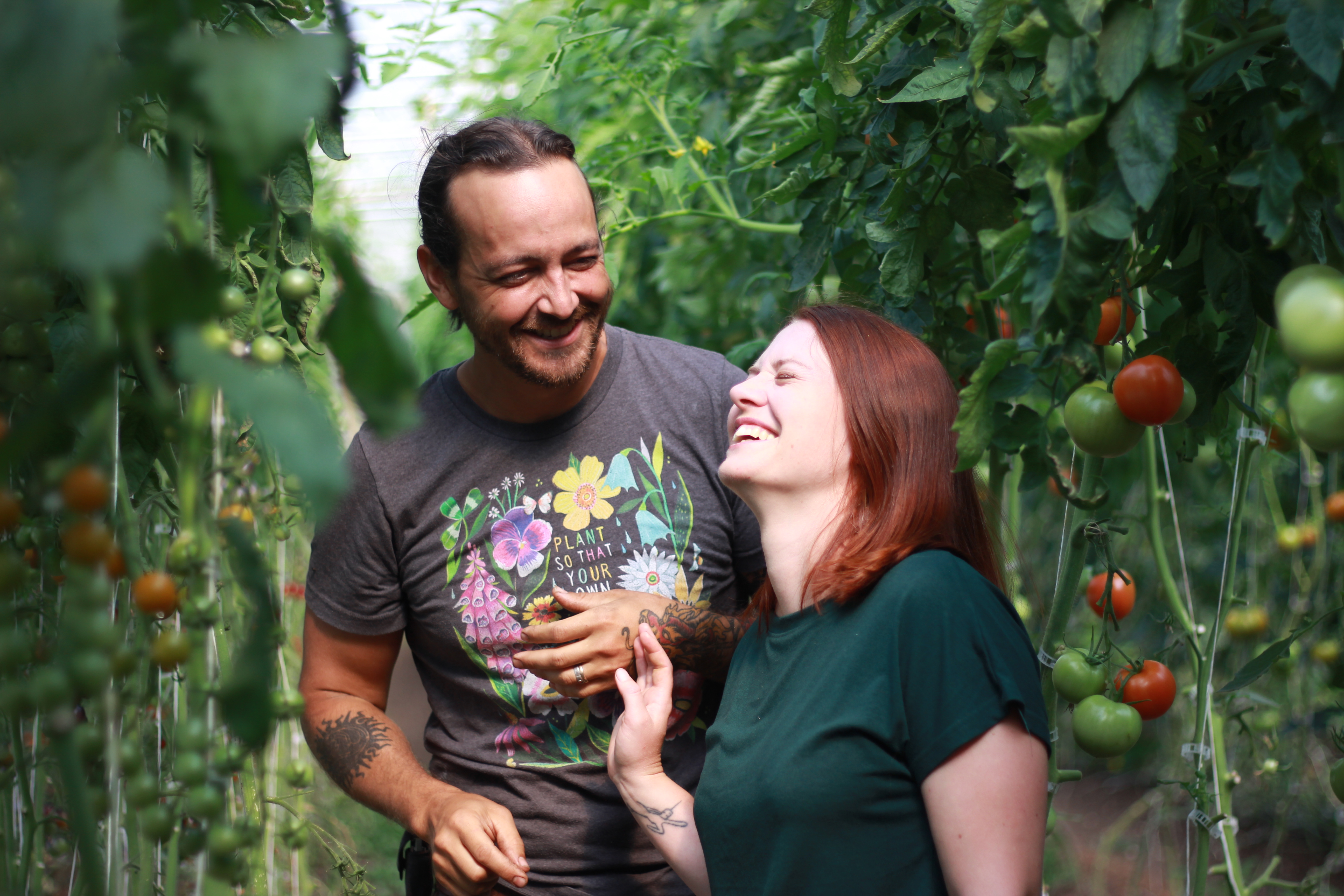
"My wife was able to quit her job and join me full-time on the farm."
The same footprint now pays for two.
The angle
No money to buy back our time? The beds are already paid for. The hours are already spent. Every extra vegetable off them is what buys our time back.
Less walking, less weeding, fewer problems to chase. The farm gets quieter.

The accounting gets done by someone who actually likes doing it. Your Sundays come back.
Better candidates walk in. They stay longer. Experienced hands mean more done, faster. Less hiring, less training, fewer HR headaches. More energy left in the tank.
The off-farm paycheck, the partner's second job, the winter gig. Optional again. And the hours, back to your family.
All four bring you closer to the people you started this farm for.
The focus
A farm has more work than hands. Focus where the work pays the most.
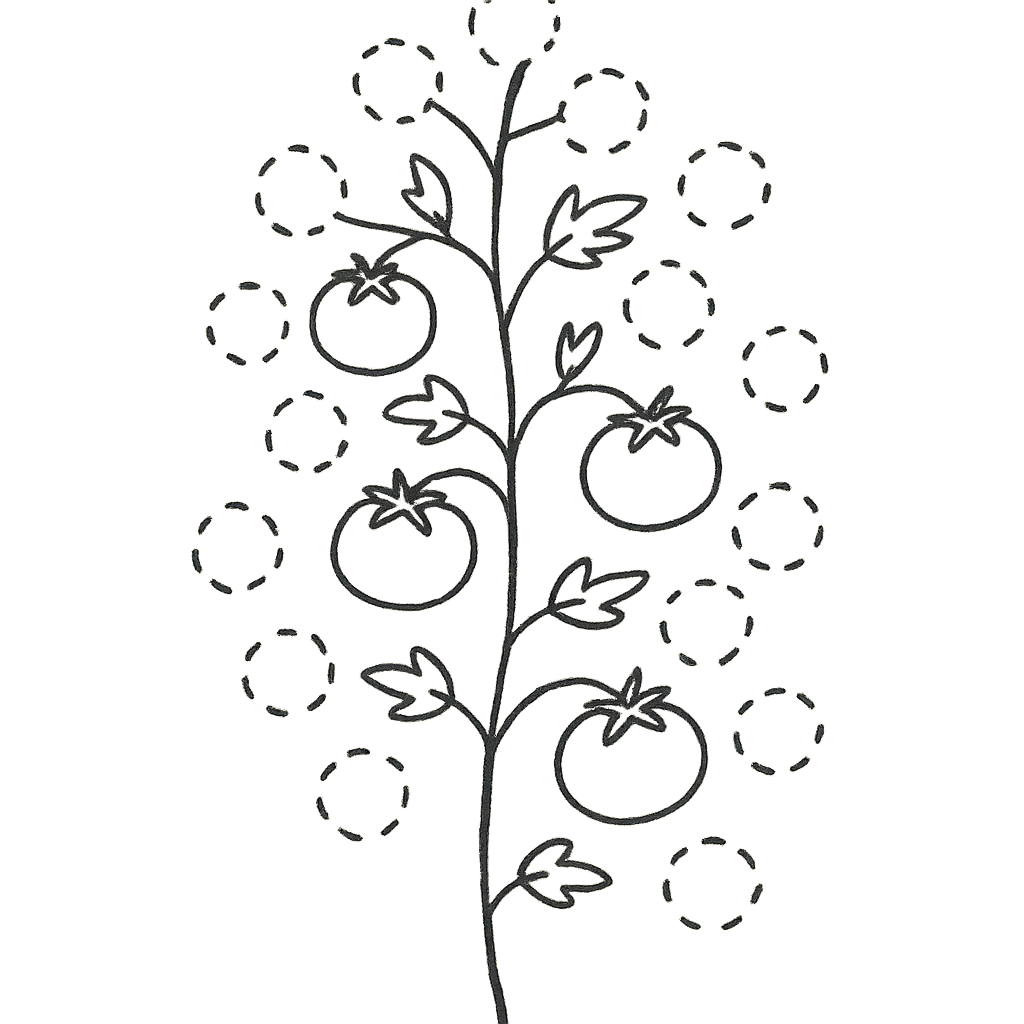
Top growers harvest 5× the small-farm average off the same beds.
“We were at just around 1 lb/ft² with slicers in 2023, and we were one of the better tomato producers in the area. We're up to almost 5 lb/ft². We're trying to hit 6 this year.”
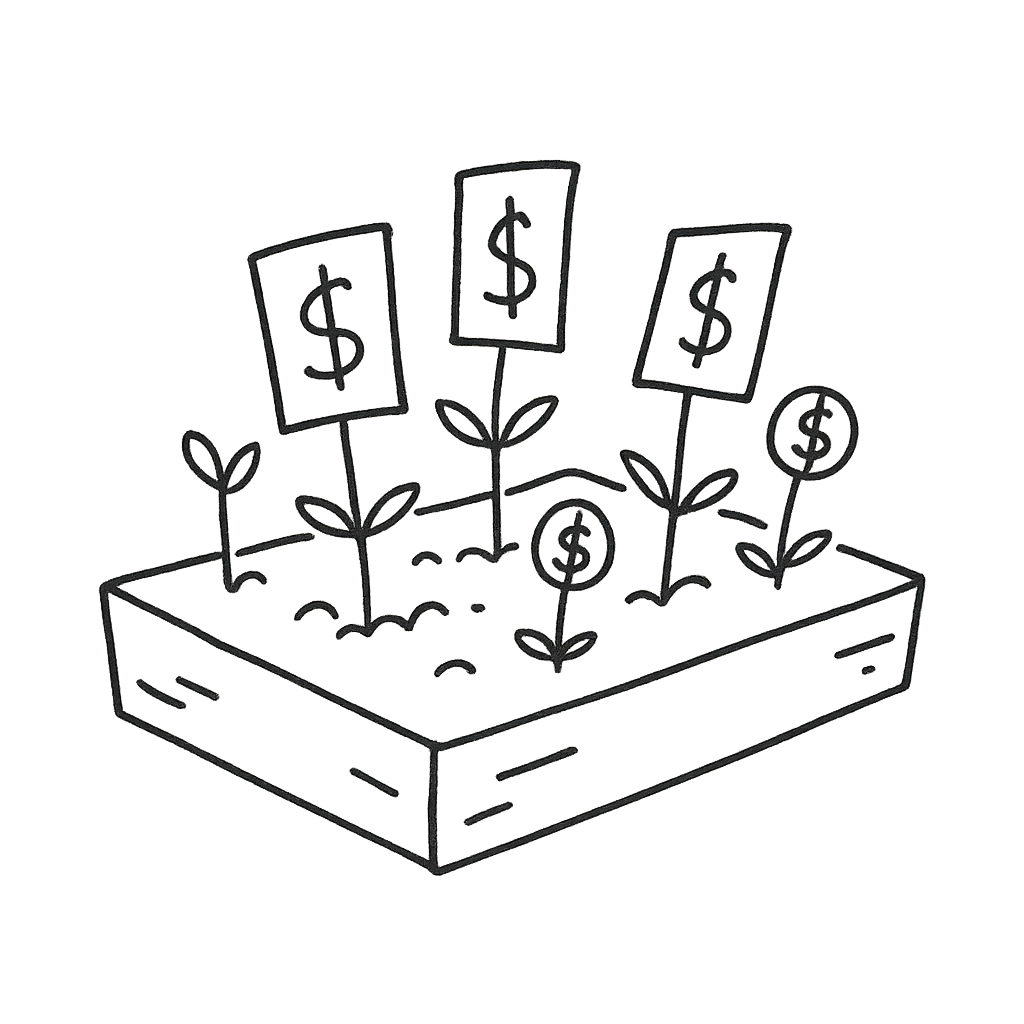
A well-run greenhouse tomato bed earns what 25 beds of beets, kale, or onions earn.
Catherine, on FQT Farm's numbers.
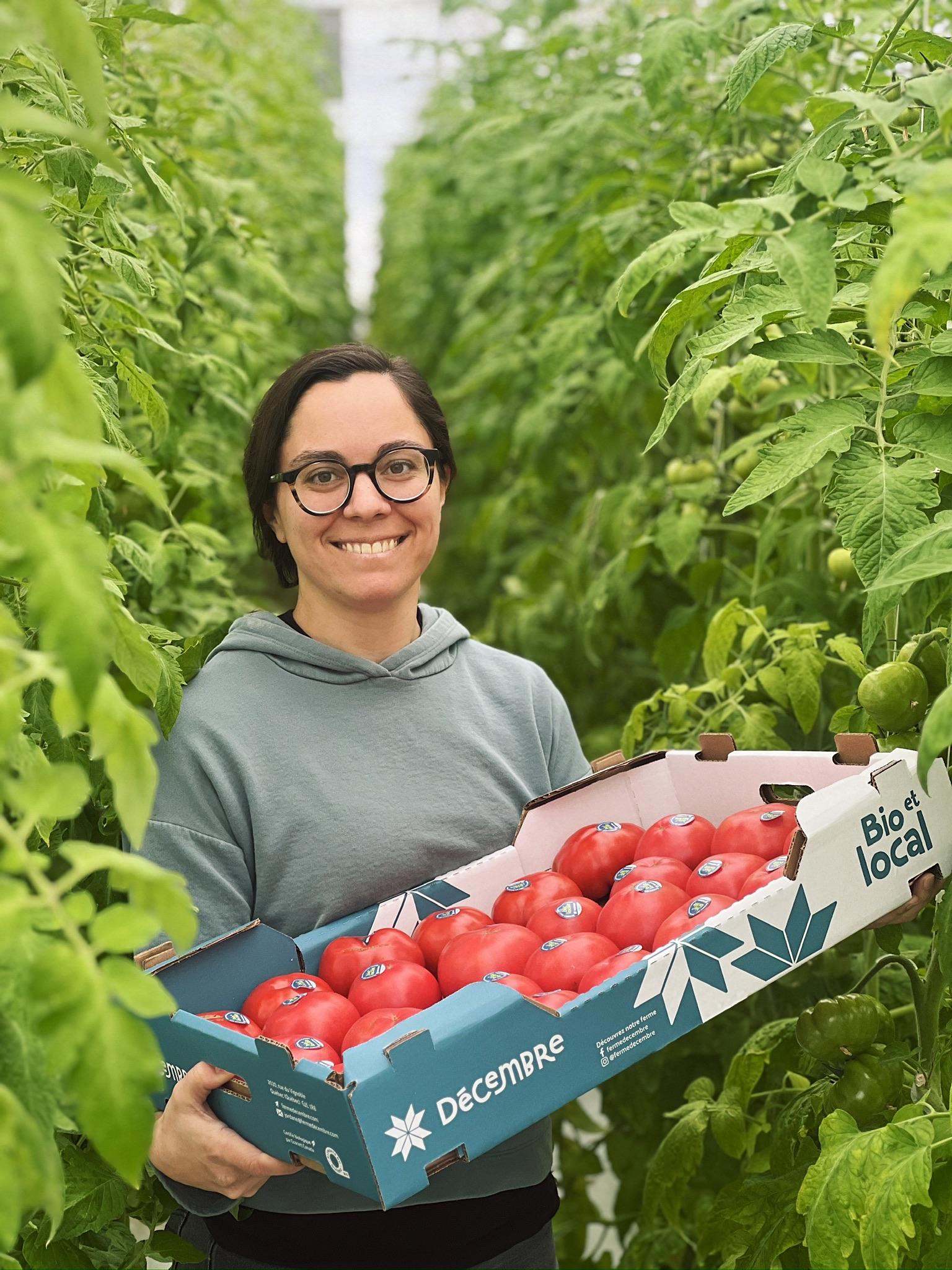
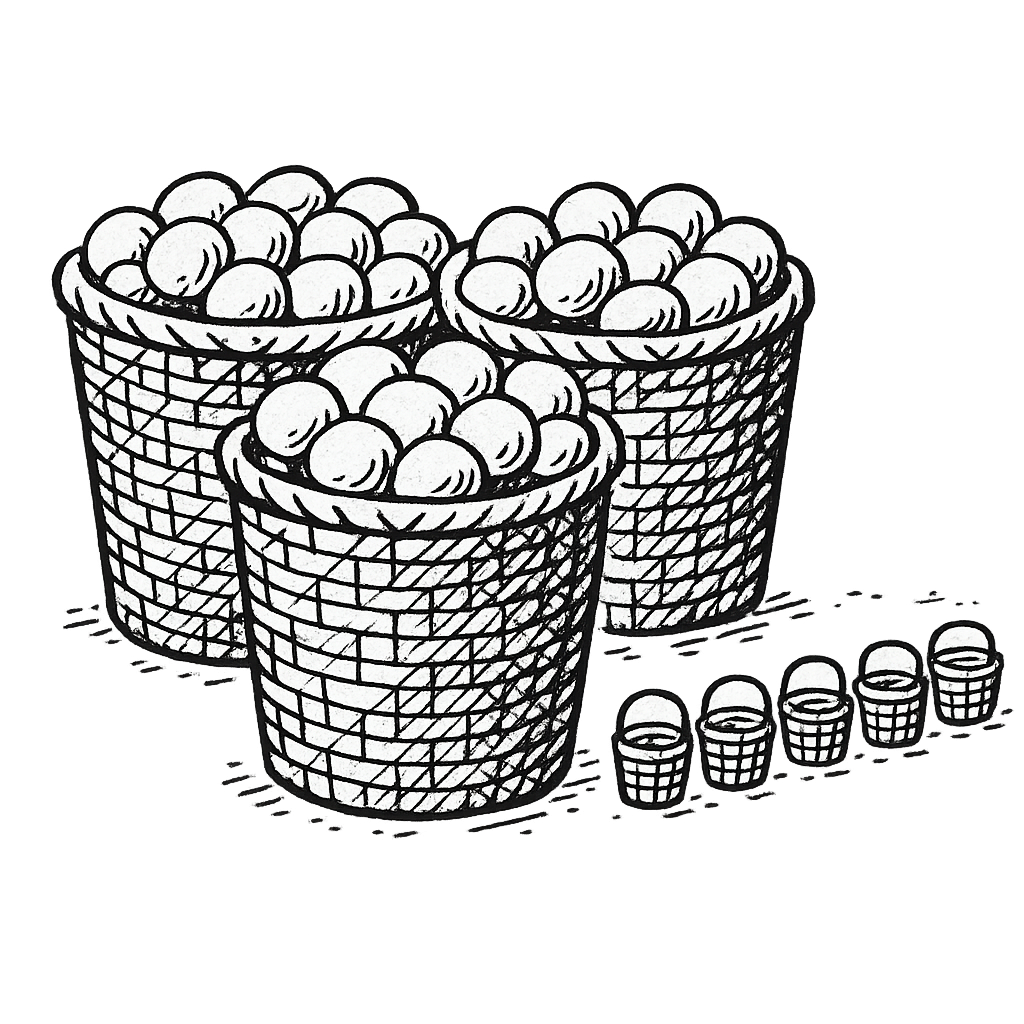
Tomatoes, cukes and lettuce carry 70% of Drew's farm revenue. The other 30 vegetables carry the rest.
Tomato beds ask more than any other bed on the farm. Double the yield, and 2 of our 4 tomato beds come off next year's plan. Almost a day a week, back to us.
More reasons tomatoes are our lever
›“Automation helps us continue to run the farm when we're not there. We get better quality and better yield with the tunnel totally automated without us than if we were there managing it. The tunnel will do a better job by itself.”
Last season, Drew focused on improving his tomatoes. Yet his cucumbers came in 30% over 2024.
“We grew almost 3,000 pounds of cucumbers off of two 70 foot beds last year.”
If we double our tomato yields, half the beds free up.
Conor's move, at Neversink Farm, is to bring field crops into his high tunnels. Since each bed inside pays like two of the same crop grown outside, he slashes the total number of beds he has to work.
On most diversified farms, tomatoes are the low-hanging fruit.
Nothing's new
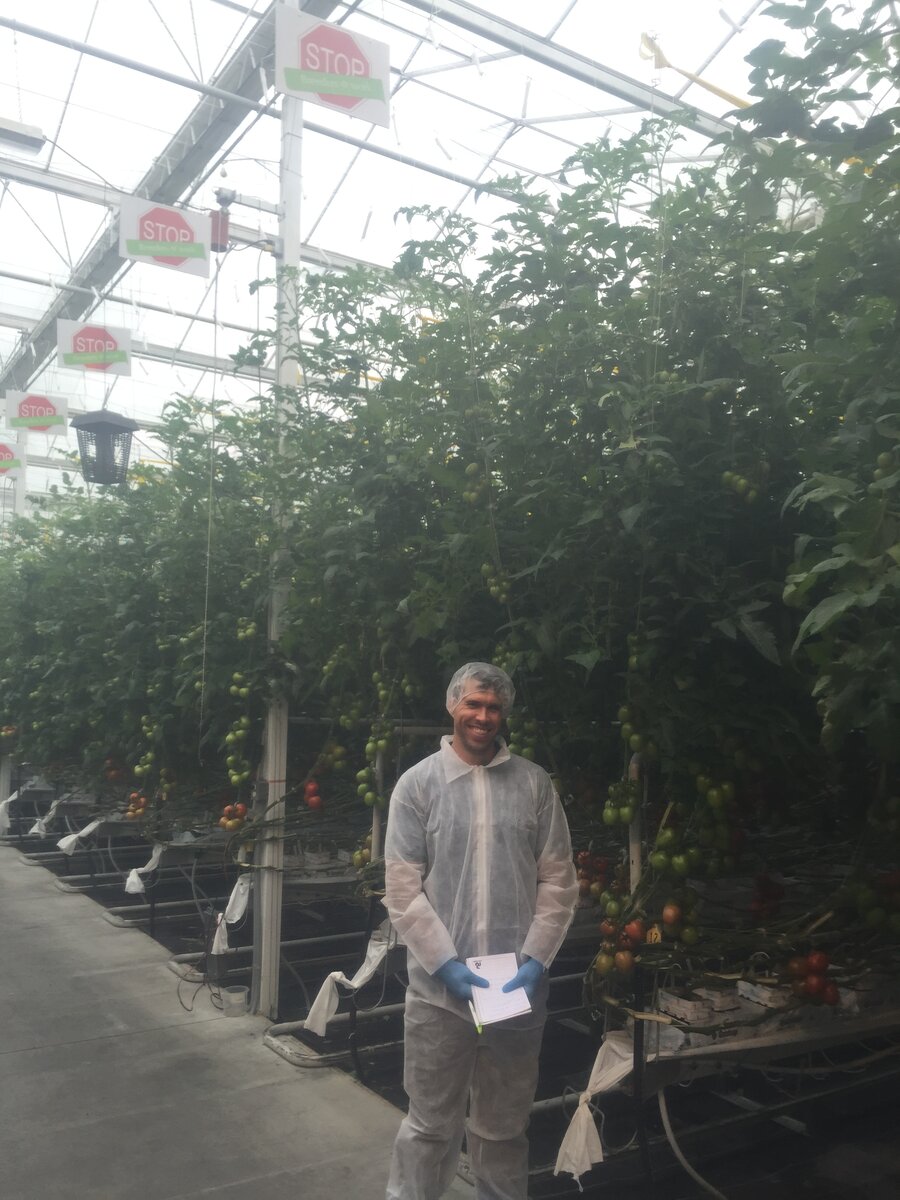
“First year I applied big greenhouse techniques, my yields doubled.”
Andrew wrote The Greenhouse and Hoophouse Grower's Handbook to share these techniques with small growers.
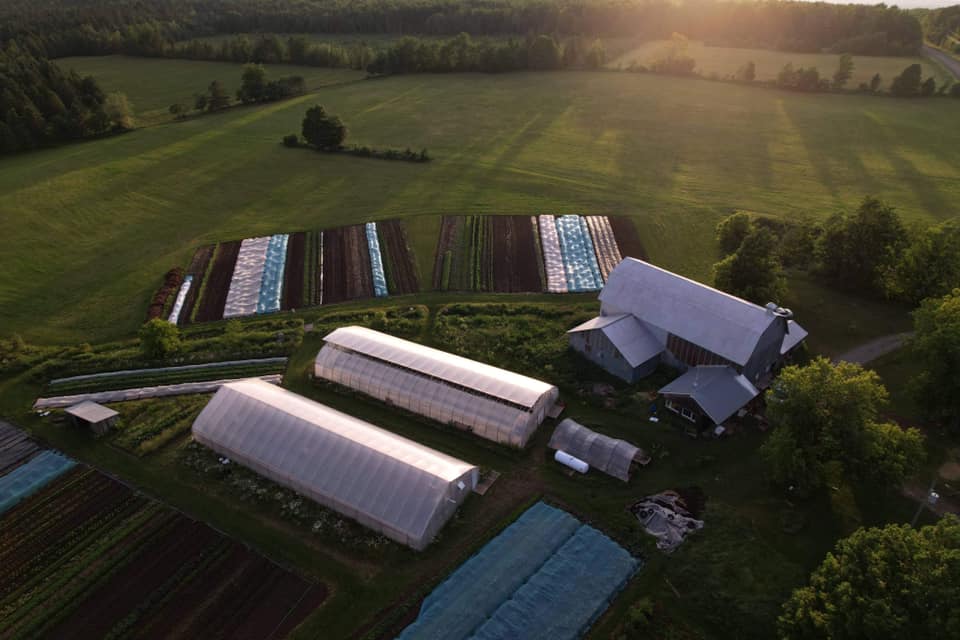
And they work at small-farm scale.
Greenhouse consultants have adapted big greenhouse techniques to small farms. Antoine and other growers learned from them to regularly fill their 30x100 greenhouse with what would normally take four greenhouses to grow.
So why a program?
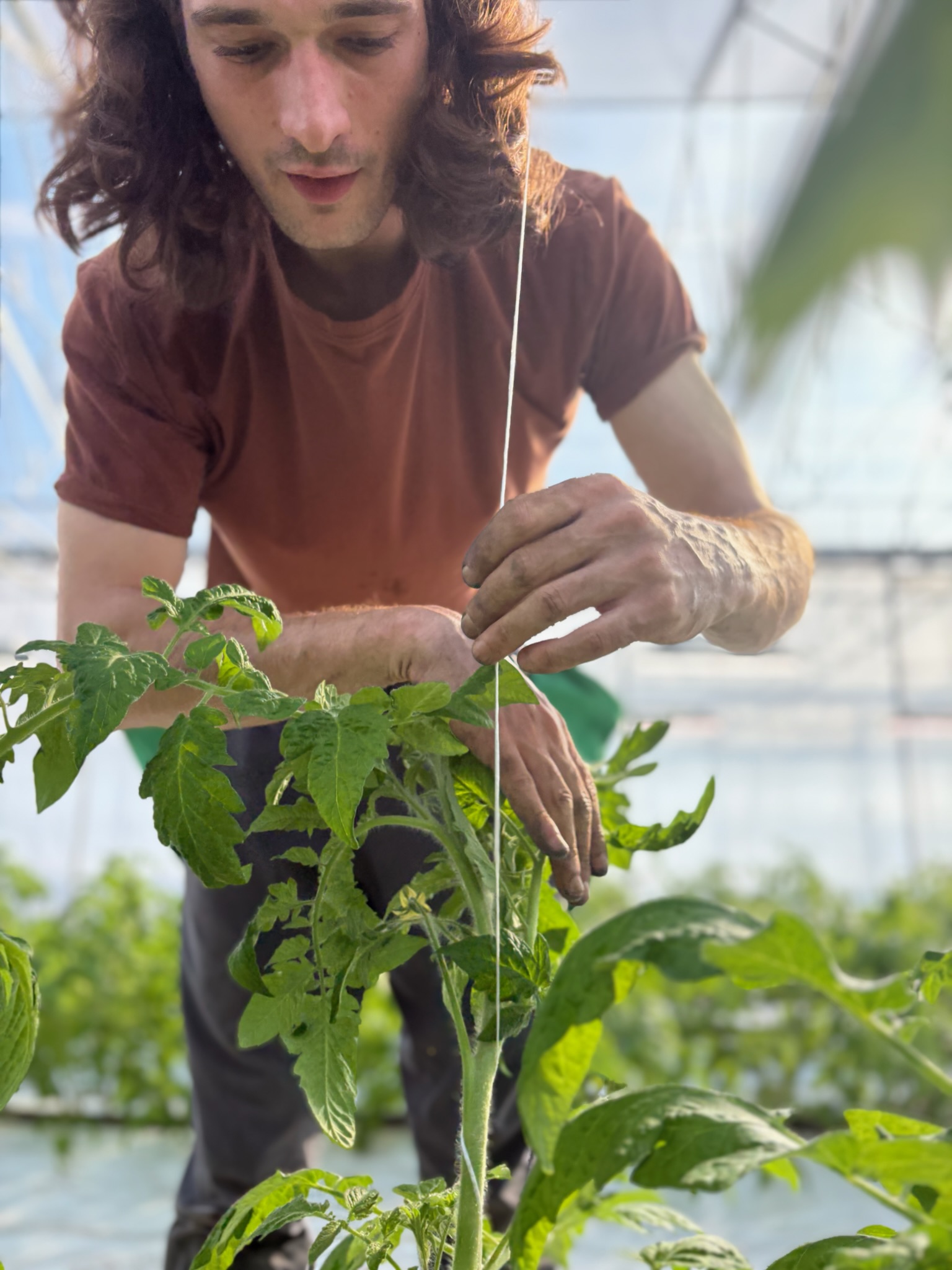
The information is out there
Andrew wrote the book. Orisha made a free online course.
It's not enough
Folks send Orisha questions all the time.
The devil's in the details
Changing how we grow brings hundreds of judgment calls, with little time to work them out.
Which move do I prioritize?
How do I adapt to that variety?
I irrigate many times a day. Why do I still see blossom-end rot?
Am I pruning enough, or pruning too much?
Am I doing it right?
No theory can answer those for you.
What it's about
Carrying everything on our own shoulders is heavy.
This program is not a proven silver bullet. No program could be. Every farm is different.
It's a structure to help transform our farm.
The rhythm
One visible goal at a time
›So we can focus, quickly see results, be motivated.
We want to see the impact. It has to be quick. Often within a week.
Everyone working on the same goal at the same time builds momentum. Questions pile up around the same thing. Folks share what worked for them. The exchange gets specific.
Monday
2-minute check-in. The week's crop-steering moves.
We look at our plants.
Count leaves, and fruits on a leader. Enter numbers in the app.
See the week's progress against our goal and yield trajectory.
Get next moves: irrigation, pollination, pruning tweaks.
Steering our tomatoes in 2 minutes
Wednesday
60-minute group call to overcome roadblocks.
An hour with Andrew, Antoine, Guillaume, and the cohort. We tackle what theory cannot.
It's optional. It's recorded if we miss it.
Watching others' roadblocks often helps move faster. We sit in while doing admin work or answering email. Nobody will be put on the spot.
Thursday
New 5-minute videos drop. Phone-watchable between rows.
What to look for in our plants, the specific moves to try.
To keep information from piling up, videos stay short, focused on the current goal, and spread across the seasons.
Anytime
The forum is open. Ask, answer, share what worked.
Who this is for
Team behind this
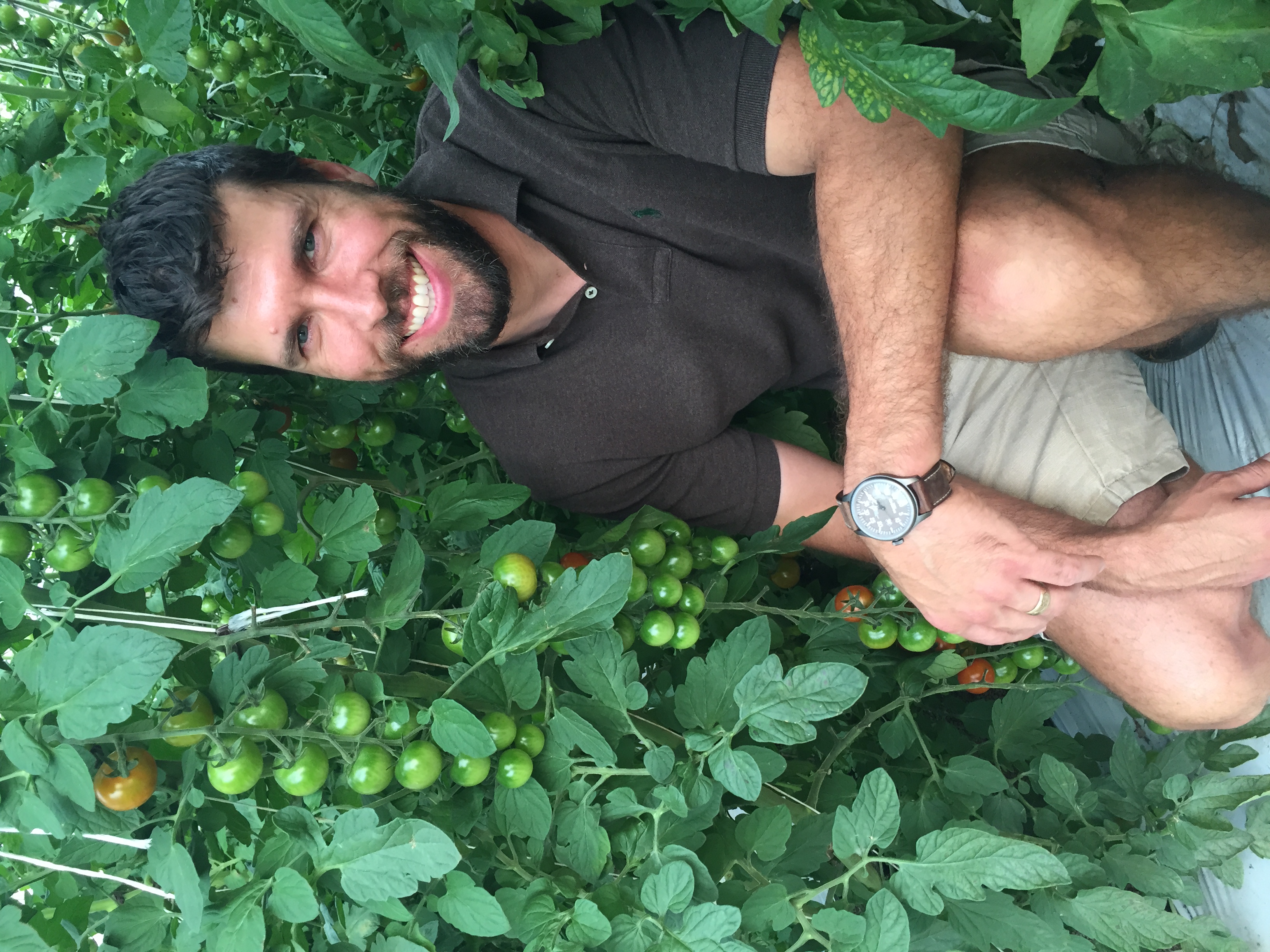
Author. Growing for Market editor.
Andrew Mefferd ran a market garden before anything else. He went to work for Johnny's Selected Seeds and learned greenhouse techniques from the industrial growers who've built the craft over decades. He was still running his own farm at the time, tending tomatoes at 5am before heading in to Johnny's. The first year he applied what he was learning, his yields doubled.
He wrote The Greenhouse and Hoophouse Grower's Handbook to carry those techniques back to the market-garden community. Later he took over Growing for Market and set commercial farming aside. He's spent the years since editing articles and running the GFM Podcast, which has kept him in close conversation with the best of the small-grower world.
On calls, he brings the combined view: his own hands, plus the hundreds of farms he's edited and interviewed. When you describe something in your greenhouse, he's usually seen it before somewhere else.
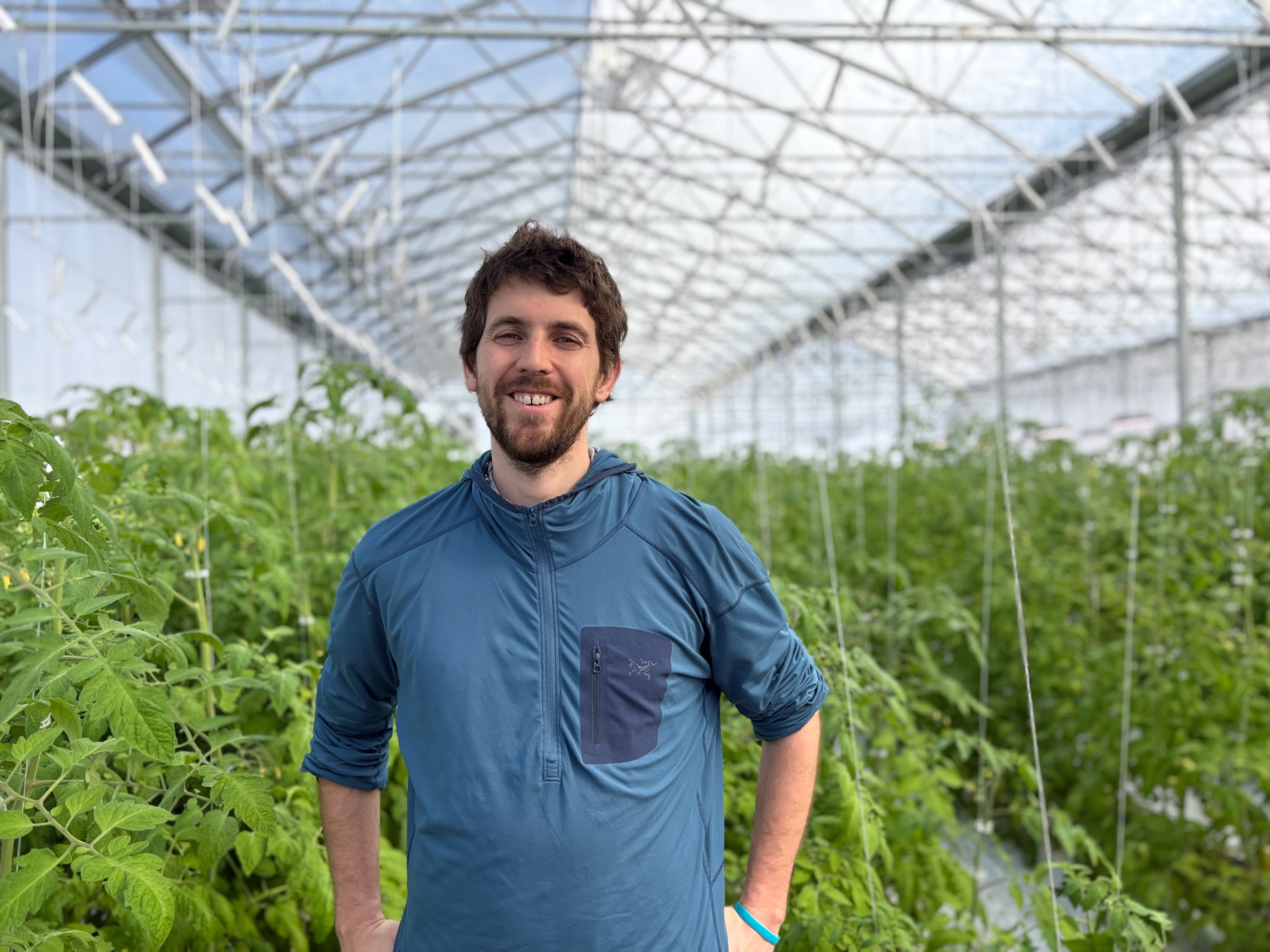
Founder, Orisha. Co-grower, Ferme Décembre.
Guillaume started Orisha with no background in agriculture. He spent the years since in conversation with hundreds of farmers, along with greenhouse consultants and university professors. The question driving him: how can greenhouses best serve a small farm? So Orisha could be useful to small growers.
One challenge kept coming back. There's never enough time to get everything done. He made that Orisha's focus. From the failures and success stories he kept hearing, he built a 40hr farm playbook.
To test it out, he started Ferme Décembre with his partner last year. The target this year is $500k in revenue with 4 employees. Many things yet to figure out, but it seems to be working out so far.
On calls, he can help you spot what's holding your plants back, and where your week is leaking time.
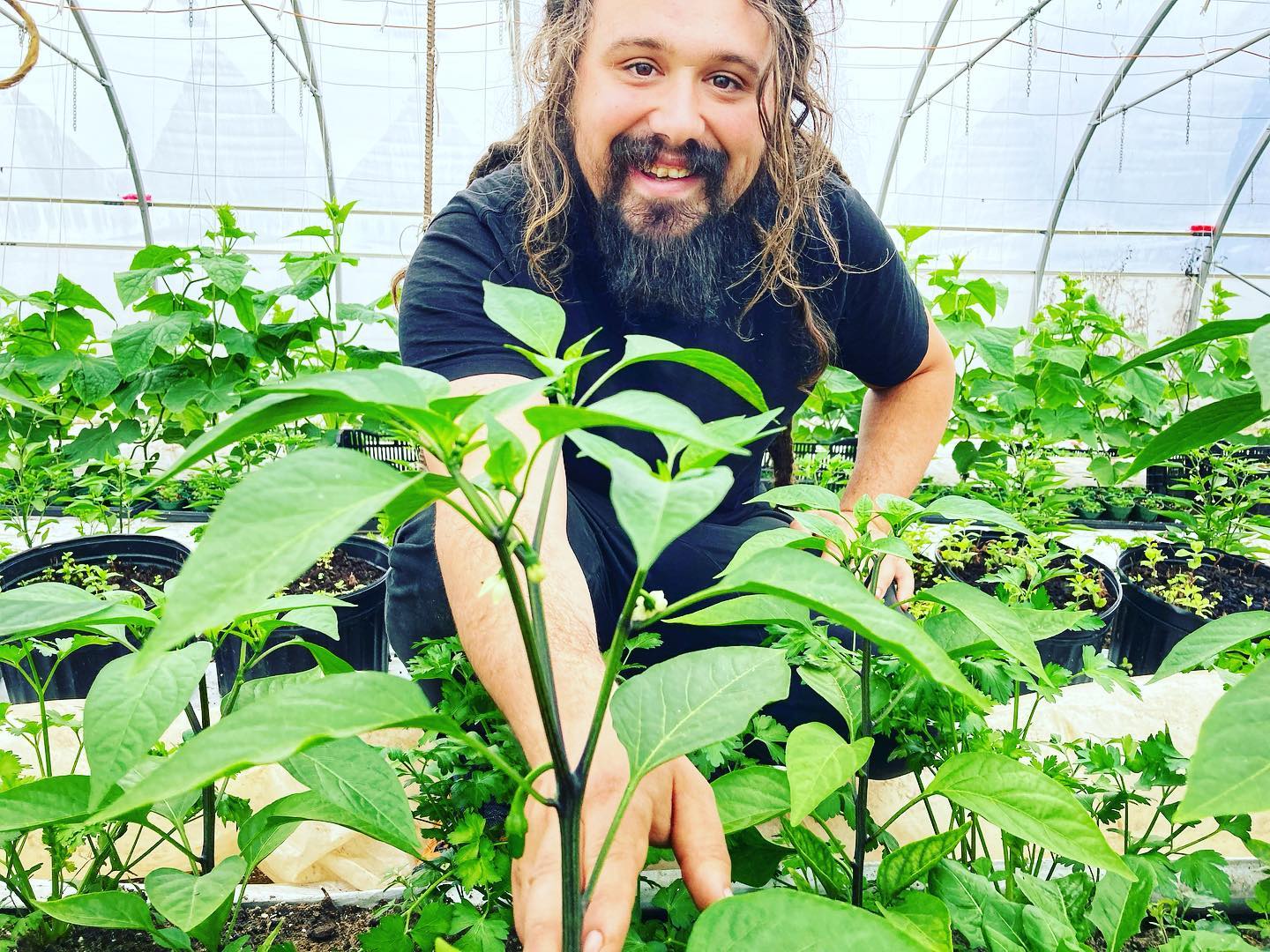
Grower, Jardin Inverness.
Antoine started a farm from scratch and sold it to take over a 2-acre farm he loved.
A few years in, between the financial and HR pressure, he told himself: "One more year like this, and I'll sell the farm."
Instead, he went hard on lean farming. He started the next season with half the staff. The farm finished the year with 15% more sales. Learning from Quebec greenhouse consultants, he pushed his tomato yields to 4× the small-grower average on the same square footage.
He now works with Orisha to share what he learned, while his employees run the farm.
On calls, he'll show you which lean moves held up when his farm was breaking, and which greenhouse techniques pushed his tomatoes to 4×.
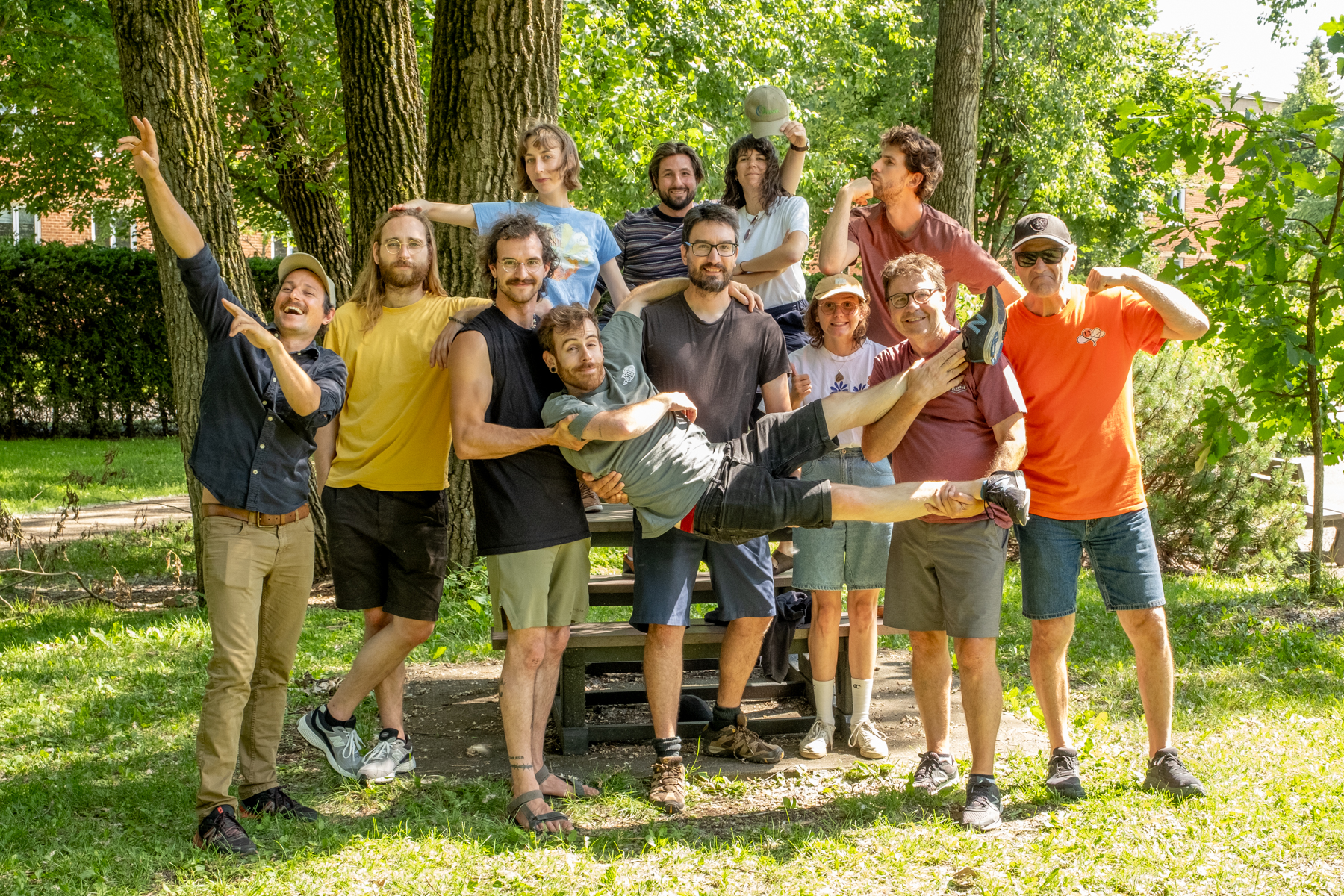
Behind the program, alongside Growing for Market.
The rest of the team at Orisha produces the videos and handles platform logistics, so Andrew, Antoine, and Guillaume can focus on farm stuff. They build the virtual consultant that supports the program. And they learn from the program to build tools that make greenhouse production easier.
Join the program
No cost to join. Leave anytime.
What you get
Please enter a valid email address.
Please check this box to continue.
When we say "we," we mean both Orisha and Growing for Market. Everything here covers both of us.
What works on one farm may not work on yours. Before you try any idea from the program, it's on you to make sure it fits your farm, your climate, and your local rules. You join at your own risk.
The program is free, so there is nothing to refund. If something goes wrong and we're held responsible, even if it's our fault, our responsibility is limited as far as the law allows.